Salt, Stone, and Slow Time
Today we explore long-exposure techniques for tidal swell at Cornwall’s historic quays, translating restless Atlantic energy into velvet motion while honoring granite walls and working harbors. Expect practical guidance on filters, timing, composition, and safety, plus field stories. Share your questions, subscribe for fresh coastal adventures, and join the conversation about crafting serene photographs where the tide writes luminous calligraphy across enduring piers.
Reading the Ocean’s Rhythm
The sea around Cornwall never truly rests, yet it follows patterns you can learn to anticipate. Understanding tide heights, swell period, wind direction, and the protective geometry of each harbor transforms guesswork into intention. With charts, apps, and respectful conversations with locals, you will pick windows where movement reveals character without overwhelming composition, letting your exposures stretch gracefully while boots remain safely planted on dependable stone.




Choosing the Right ND
A 3–6 stop filter often preserves subtle texture when swell is lively, while a 10 stop stretches patterns into meditative silk during calmer sets or blue hour. Test for color bias and vignetting, especially with stacked glass. Keep a clean front element; spray degrades contrast faster than you think. When in doubt, bracket shutter times, then compare how foam pathways and reflections negotiate the expanding river of minutes.
Graduations and Polarizers
A soft-edge graduated ND helps balance bright Atlantic horizons against shadowed quay interiors, protecting cloud tone and masonry detail. Use circular polarizers sparingly near wide angles to avoid uneven skies and to retain reflective grace in water. Rotated carefully, a polarizer can reveal submerged cobbles or ropes, anchoring context. Stack only as needed; too many layers invite flare, ghosting, and the kind of veiling glare that steals microcontrast.
Avoiding Featureless Mist
It is tempting to push shutter lengths until water becomes an anonymous blanket. Instead, preserve personality by targeting intervals that retain delicate linear cues—returning foam, sluice pulses, and the faint memory of ripples. Watch the cadence of sets, then release during transitional lulls. If everything turns to soup, shorten exposure, lower ISO, open aperture gradually, and protect a few textured frames for blending later with more ethereal takes.
Tripods, Stability, and Salt
Structure is your collaborator. A sturdy tripod with spiked or grippy feet, a weighted hook, and a remote release turns turbulence into discipline. On working quays, vibrations from footsteps or vehicles can sabotage sharpness, so choose ground thoughtfully. Salt spray seeks every joint and thread; guard gear with rain covers, microfiber cloths, and fresh water rinses afterward. Disable stabilization on locked-down shots, and trust a quiet shutter to do delicate work.


Composing with Heritage
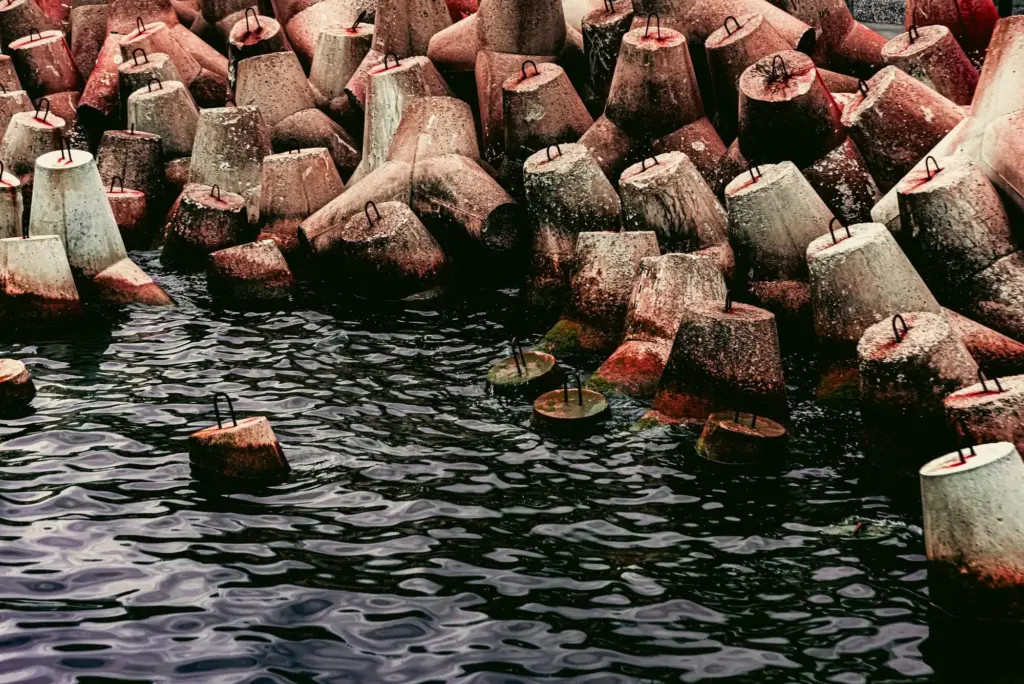
Cornwall’s quays carry centuries of labor: capstans polished by palms, iron rings bitten by ropes, and blocks weathered into living maps. Let these artifacts guide perspective, offering scale against patient water and migrating cloud. Favor layered depth—foreground character, mid-ground harbor geometry, distant headlands—so long exposures read as place, not effect. Seek reflections in tide pools and puddles. And always leave space for working hands to pass unhindered.
Light, Weather, and Magic Minutes
Light changes quicker than the tide when squalls march from the Atlantic. Pre-dawn blue opens with a hush, amber harbors bloom after sunset, and between them sail windows of silver calm and graphite drama. Learn to anticipate gaps—those blessed minutes after rain when reflections sing. Track cloud bases and gusts, read radar, then set your frame before the curtain lifts. Long exposures reward preparation when weather flips like a coin.
Blue Hour Silk
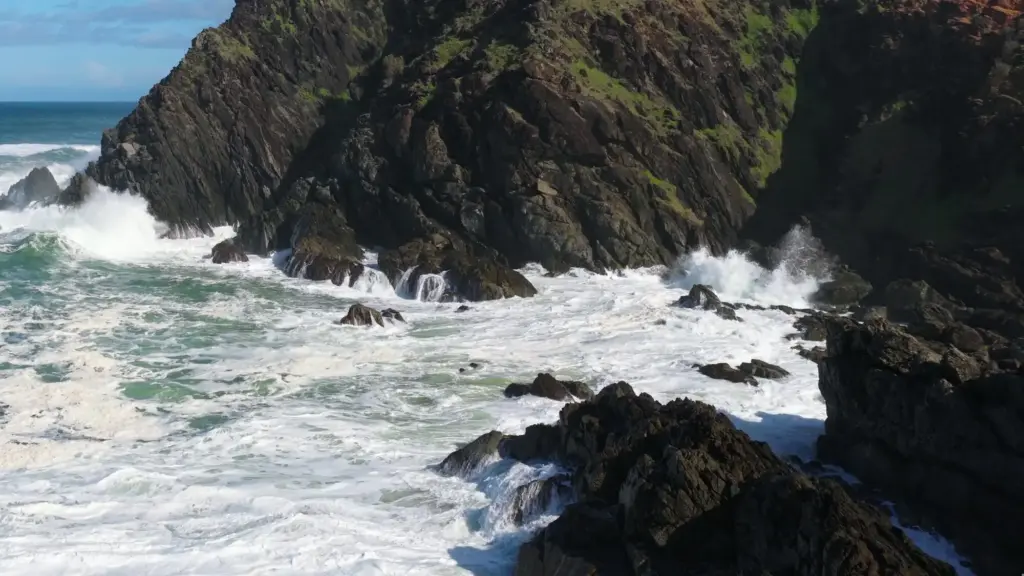
Before sunrise and after dusk, sodium lamps sketch molten ribbons across water, and a modest ND transforms tiny ripples into lacquered paths. White balance around tungsten to protect atmosphere, then warm selectively later. Expose longer to soften pedestrian ghosts, but check for boat movement that may redraw reflections unpredictably. The harbor breathes slowly here; match that tempo, and your images will cradle quiet without losing the harbor’s heartbeat.
Storm Gaps and Drama
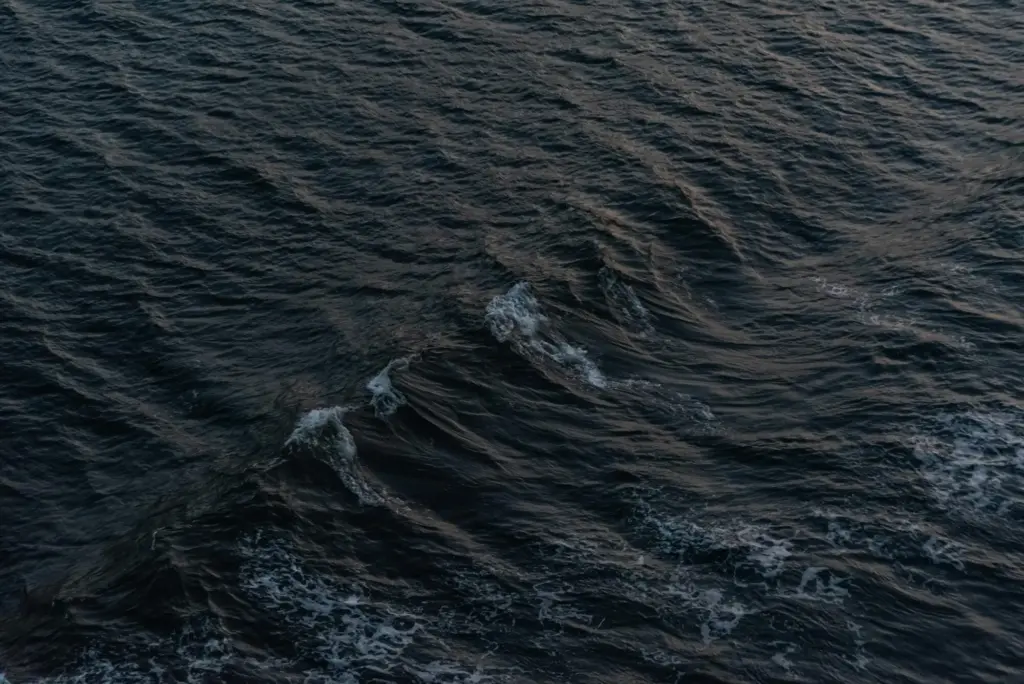
When a squall clears, wet granite becomes a natural reflector, doubling skies and brightening subtle details in rings and ropes. Winds may still buffet, so hunker behind walls, shielding the lens until the lull. Consider shorter long exposures to retain muscle in returning waves. Watch for rainbows and virga toward sunlit edges. Most importantly, keep an escape route dry and obvious; awe should never outpace caution beside a hungry sea.
Stories from the Wall
Charlestown Patience
One November evening at Charlestown, rain combed the air sideways for an hour while gulls clung to rusted rings. I stayed, wiping filters, rehearsing compositions in the mind. Then calm arrived like a held breath. Two-minute exposures turned ship reflections to liquid ink, and granite gleamed. The lesson was not merely endurance; it was learning to trust that weather’s door swings both ways when you wait kindly.
Mousehole Lanterns
A winter festival cast warm lanterns across Mousehole’s basin, and the breeze barely touched them. I stepped back from the slipway, asked a fisherman where not to stand, and framed the lamps threading toward the gap. Ninety seconds stitched gold onto slate water. People wandered, blurred to whispers, but the harbor’s patience held. We shared a grin at the preview, proving courtesy is as luminous as any exposure.
Porthleven’s Roar
Porthleven can surprise even on gentle forecasts, hurling foam that scales the pier steps with athletic intent. I retreated to a safer elevation, switched to a longer lens, and let compression stack waves like orchestral crescendos. Shorter long exposures preserved muscle in the breaks while sky streaked softly. The shot worked, but the real victory was leaving with dry boots, grateful respect, and a renewed love for caution.
Processing the Atlantic Quiet
Color Cast Cleanup
Strong ND filters can skew toward cool blues or murky browns, especially under sodium lights. Start with a measured white balance, then refine with calibration and subtle split-toning. Preserve believable neutrals in stone and rope while letting water keep its nocturne. Use hue-specific masks to protect sky gradients. If stacking induced veiling glare, add microcontrast selectively, resisting the urge to overcorrect into clinical, atmosphere-starved sterility.
Motion Contrast and Local Masks
Great seascapes often balance velvet water against crisp, storied surfaces. Use local masks to boost midtone contrast on capstans, ladders, and ring-bolts while softening salt-smudged areas that distract. Gentle dehaze can reintroduce depth without chiseling the sea. Dodge reflected paths so they read as guidance, not neon. A restrained hand preserves authenticity, letting viewers feel patient minutes rather than the glow of overzealous sliders.
Finishing Touches and Sharing
Sharpen last, to taste, focusing on static elements and avoiding halos along horizons. For prints, consider subtle matte papers that flatter slow water and stone; for web, export with thoughtful compression and color profile. Then invite conversation: ask readers to share favorite quays, post questions about difficult corners, and subscribe for coming field guides. Community turns single frames into an ongoing chart of shared knowledge and coastal wonder.