Reflections as Narrative Anchors
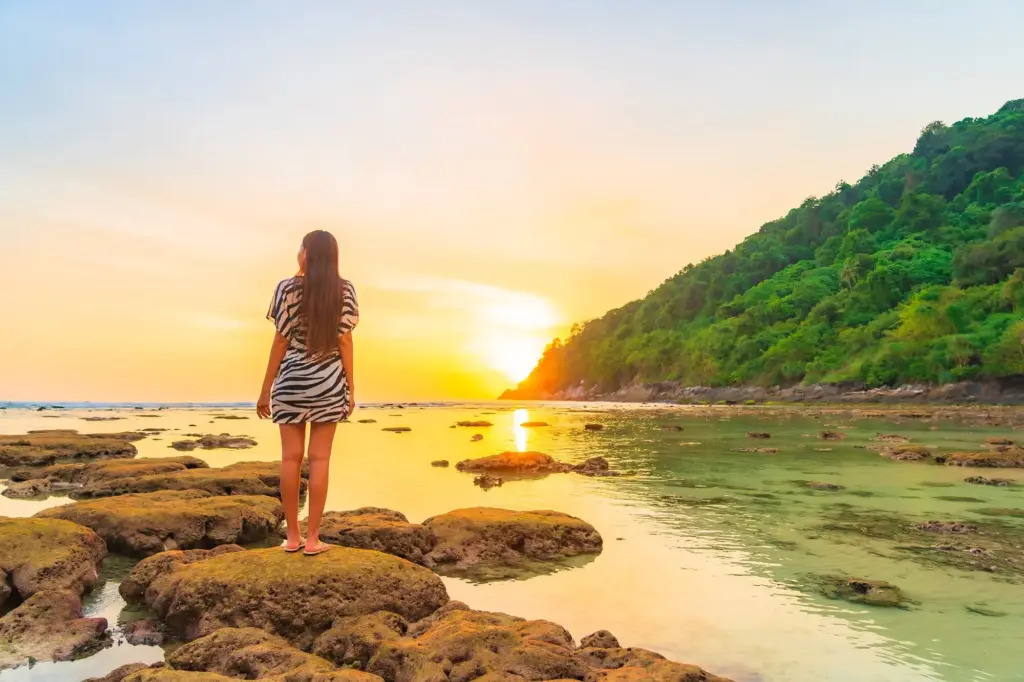
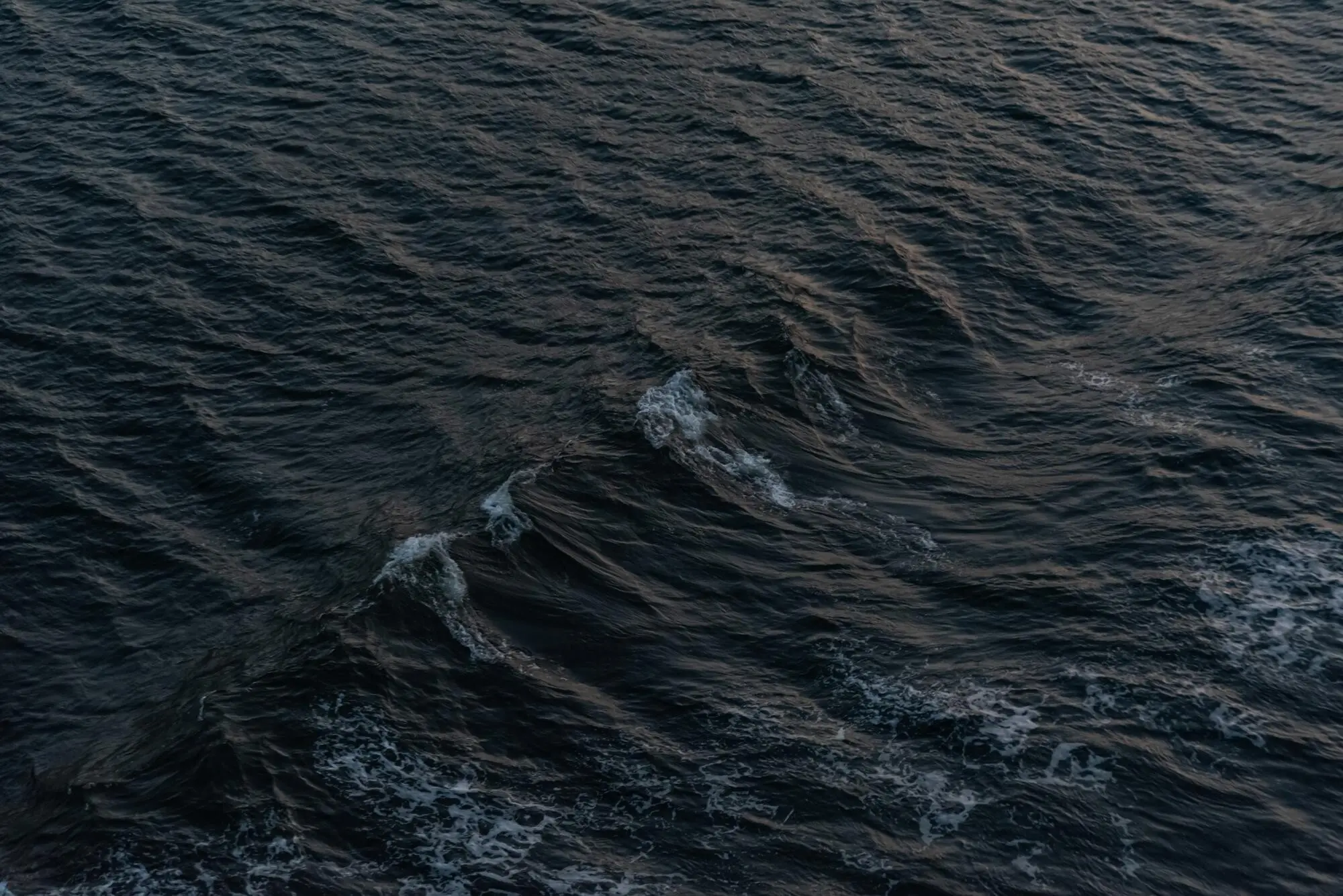
At high tide, windows and hull colors paint mirrored paths you can layer beneath leading lines of quayside rails. Wait for a gentle lull so ripples settle, then expose slightly to the right to protect shadow detail. From a seated viewpoint, align reflections with bollards for depth. This transforms a simple scene into a conversation between architecture, water, and sky, where every subtle movement rewrites your composition’s emotional cadence.
Long Exposure Without Heavy Tripods
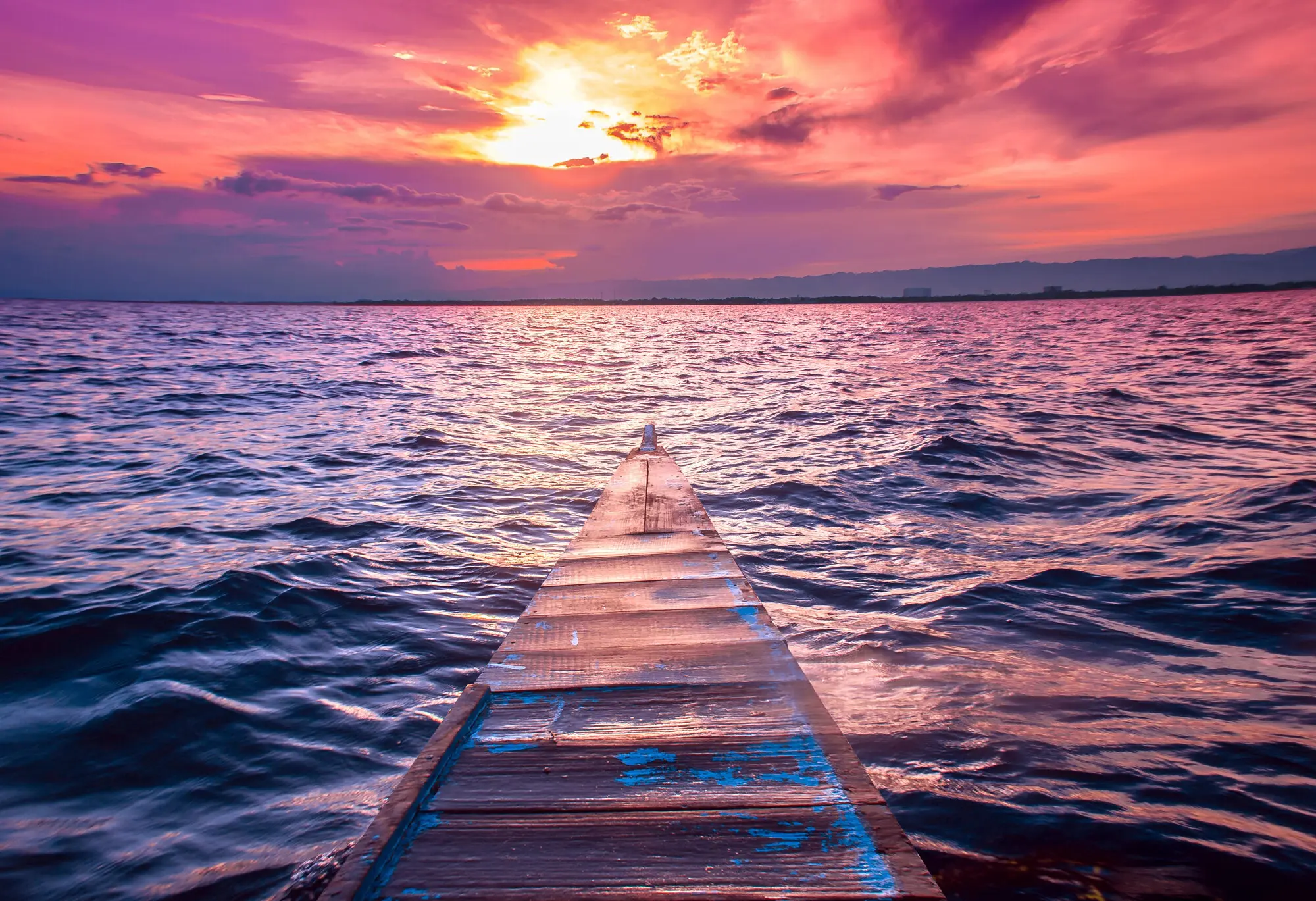
Use a small clamp or friction arm on a railing, combined with a neutral‑density filter and remote trigger, to extend shutter times safely. Image stabilization helps, but a firm anchor eliminates handshake. Aim for half‑second blurs to soften chop without losing hull definition. Keep microfiber cloths ready for spray, and store filters in an easy‑reach pouch. Patience at a single vantage can yield minimalist, soothing frames that feel like deep breaths.
Foreground Textures That Tell Place
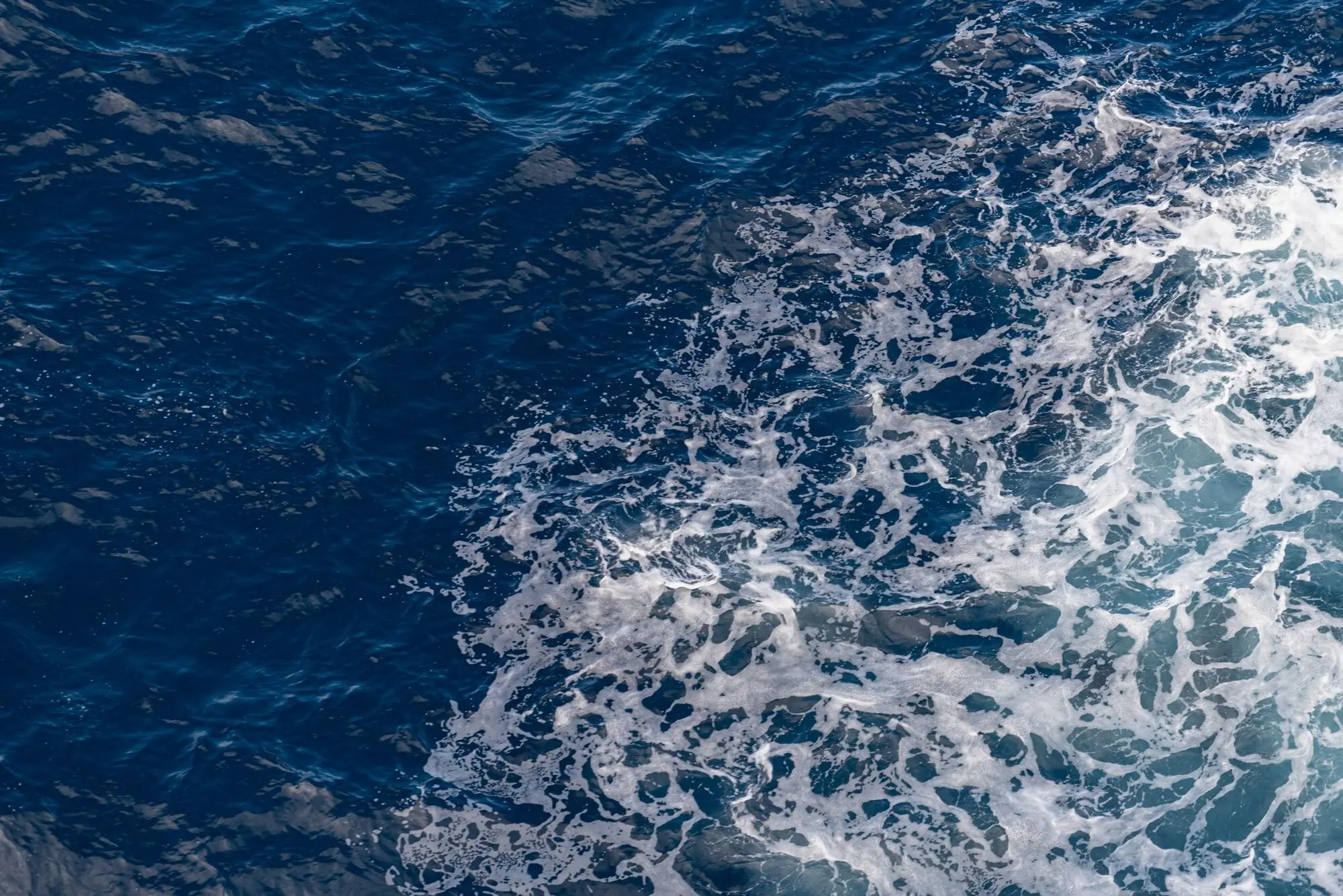
Low tide reveals ropes crusted with salt, embossed seaweed fronds, and rusted iron rings in granite—details that speak of labour and weather. Frame these close elements against distant boats for layered scale. Angle slightly to avoid blocking lines with rail posts. Because seated views naturally emphasize nearby textures, you can turn simple quayside edges into signature motifs, rooting every image unmistakably in Cornish character and honest, working‑harbour heritage.