Rolling the Quays: Cornwall’s Tide-Shaped Photo Journeys

Set out to discover accessible quay photo routes in Cornwall with tide‑dependent views for wheelchair users, where shifting waterlines reveal hidden sand patterns, mirror-bright reflections, and working harbours at rest. We’ll highlight practical timing, safe navigation, and creative storytelling so you can capture unforgettable moments without barriers, whether you prefer tranquil high‑tide glimmer, rugged low‑tide textures, or that fleeting in‑between shimmer when boats tilt, ropes tighten, and the shoreline draws new lines before your eyes.

Timing the Ocean’s Brushstroke

Understanding when the sea withdraws to uncover boats resting on sand, or returns to paint silky reflections, can transform a simple roll along the quay into a gallery of living frames. With predictable tidal cycles and generous Cornish daylight, planning becomes empowering artistry, not guesswork. Learn how to build your outing around safe windows, gentle gradients, and nearby amenities so the changing harbour becomes an ally for both comfort and creativity.

Reading Tide Tables Without the Jargon

Start with a reliable tide source such as Admiralty EasyTide, the Met Office marine page, or local harbour boards, and focus on high and low times plus tidal range. Arrive thirty to sixty minutes around those pivot points, then allow margin for wheel‑friendly pacing, rest stops, and shifting light. Mark spring tides for dramatic contrasts, but prioritize calm conditions, decent surfaces, and nearby shelter so forecasting becomes freedom, not pressure.

Choosing Low, High, and Mid-Tide Moments

Low tide reveals textured sand, kelp‑tinted stones, and boats leaning into sculptural shapes, perfect for graphic, story‑rich frames. High tide restores silhouettes, reflections, and elegant minimalism along quay walls. The sweet mid‑tide brings change in motion, ripples forming lines that guide the eye. Plan one scene for each state, then let the harbour surprise you, ensuring return routes stay smooth, clear, and safely away from slippery edges.

Wheel-Friendly Paths at Iconic Cornish Quays

Cornwall’s harbours invite you to roll beside granite, timber, and weathered ropes while tides redraw perspective lines. Many quays offer firm, predictable surfaces and straightforward gradients, placing photogenic scenes right at railing height. By pairing accessible parking with short, level approaches, you can spend energy framing boats, reflections, and historic details instead of wrestling cobbles. Explore carefully chosen segments that reduce camber stress while maximizing drama, texture, and changing water geometry.

Coping with Cobbles and Setts

When faced with uneven stones, reduce speed, keep your line steady, and avoid constant micro‑corrections that sap strength. If a smoother parallel route exists, take it, even if slightly longer. Pause at rest points to reset hands and shoulders, then re‑approach chosen viewpoints. A camera strap, wrist lanyard, or rail clamp frees posture and reduces fatigue, letting you hold timing for that perfect gull sweep or incoming wake.

Working Safely Near Railing Edges

Railing‑level photography is a gift for stability, but prioritize predictable braking distance and adequate turning space. Avoid leaning beyond your balance envelope, especially during gusts. Use a compact clamp or beanbag for lens support so both hands remain available for chair control. Scout any drainage grates, wet patches, or sloped slipways that might change traction unexpectedly, and photograph from slightly set‑back angles that still preserve leading lines across the water.

Micro-Route Checks for Energy Management

A short pre‑scan of your chosen stretch helps you pick smoother patches, align with benches, and anticipate tight corners near bollards or stacked pots. Mark turnaround points before fatigue builds. Consider timing shots in clusters—reflections, textures, then wider context—so equipment changes are infrequent. This rhythm conserves strength for creative decisions, like adjusting shutter speed for a silky wake, or pausing until light spills across moorings in a gentle, cinematic sweep.

Surfaces, Gradients, and Edges: Comfort Meets Safety

Quays can present granite setts, occasional cobbles, or boardwalks with gaps, but small adjustments can reclaim comfort and control. Prioritize routes with gentle gradients, minimal crossfall, and clear edge protection. Keep tyres well inflated for smoother rolling, and consider a front‑caster attachment where legal and appropriate. Always balance ambition with caution near wet algae, fishing gear, or steep drops. Good judgement preserves energy for the joyful work of seeing and composing.

Framing Stories from a Seated Perspective

A lower vantage can be a superpower, capturing intimate reflections and foreground textures others miss. Lines of rope, cleats, and weathered timber lead naturally into frames when composed at railing height. Embrace seated‑level horizons to emphasize scale between hulls and houses. Small, stable setups—remote shutter, image stabilization, and clamps—extend reach without strain. Treat each quay as a narrative: arrival, tide turning, fishermen departing, light shifting, and a final quiet moment before dusk.

Reflections as Narrative Anchors

At high tide, windows and hull colors paint mirrored paths you can layer beneath leading lines of quayside rails. Wait for a gentle lull so ripples settle, then expose slightly to the right to protect shadow detail. From a seated viewpoint, align reflections with bollards for depth. This transforms a simple scene into a conversation between architecture, water, and sky, where every subtle movement rewrites your composition’s emotional cadence.
Long Exposure Without Heavy Tripods

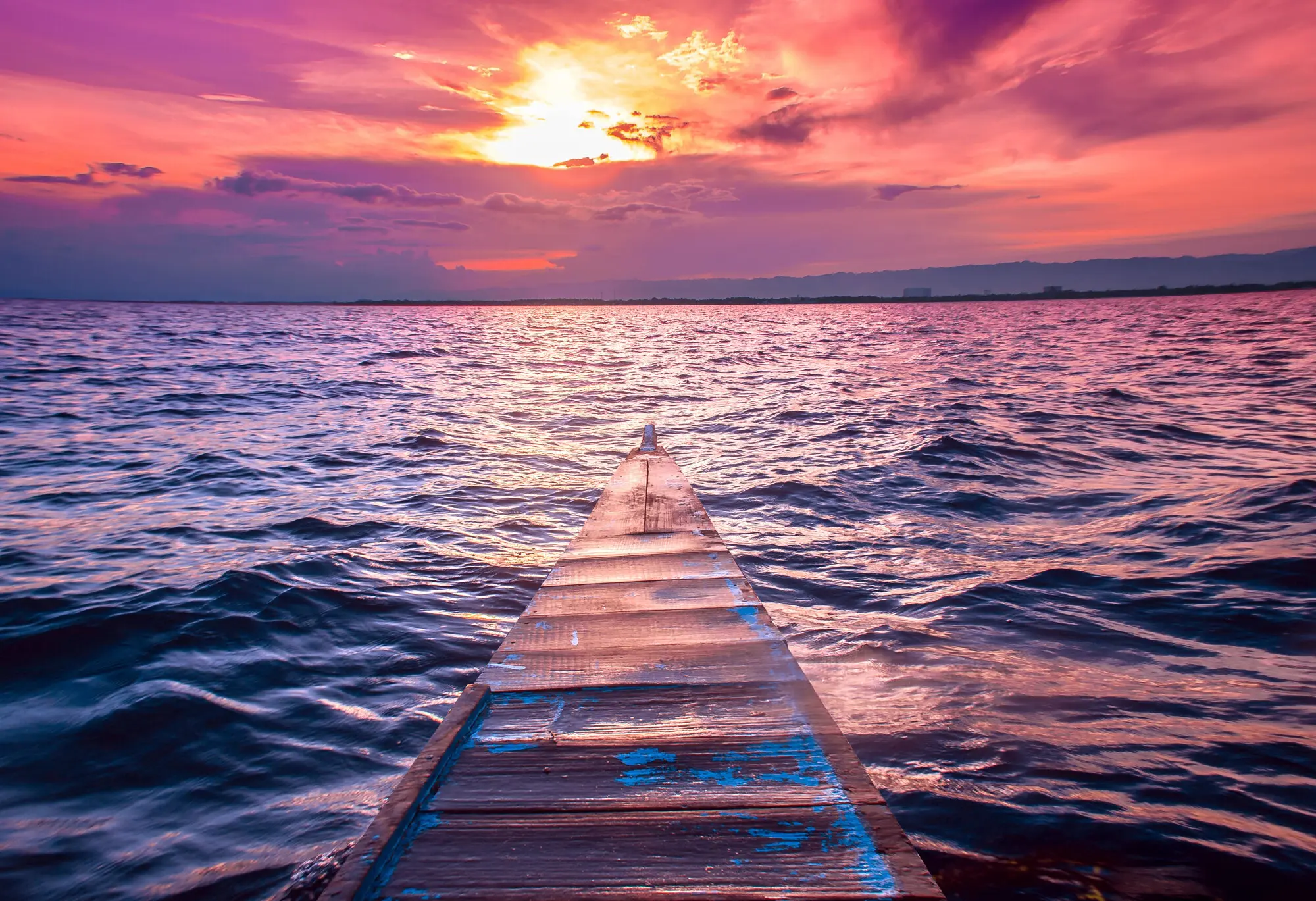
Use a small clamp or friction arm on a railing, combined with a neutral‑density filter and remote trigger, to extend shutter times safely. Image stabilization helps, but a firm anchor eliminates handshake. Aim for half‑second blurs to soften chop without losing hull definition. Keep microfiber cloths ready for spray, and store filters in an easy‑reach pouch. Patience at a single vantage can yield minimalist, soothing frames that feel like deep breaths.
Foreground Textures That Tell Place

Low tide reveals ropes crusted with salt, embossed seaweed fronds, and rusted iron rings in granite—details that speak of labour and weather. Frame these close elements against distant boats for layered scale. Angle slightly to avoid blocking lines with rail posts. Because seated views naturally emphasize nearby textures, you can turn simple quayside edges into signature motifs, rooting every image unmistakably in Cornish character and honest, working‑harbour heritage.

Weather, Light, and Seasonal Drama

Winter Clarity, Storm Caution

Cold air sharpens distant headlands and lighthouse beams, perfect for detail‑rich frames. Yet Atlantic lows can push waves across harbour walls, so choose sheltered inner quays and elevated viewpoints. Insulate batteries, use weather‑sealed bags, and carry a spare layer. Between squalls, rain‑washed surfaces gleam, making reflections vivid. Time brief windows between fronts, and keep exits planned so a sudden gust or shower becomes a creative pivot, not a risky scramble.

Summer Light and Quayside Crowds

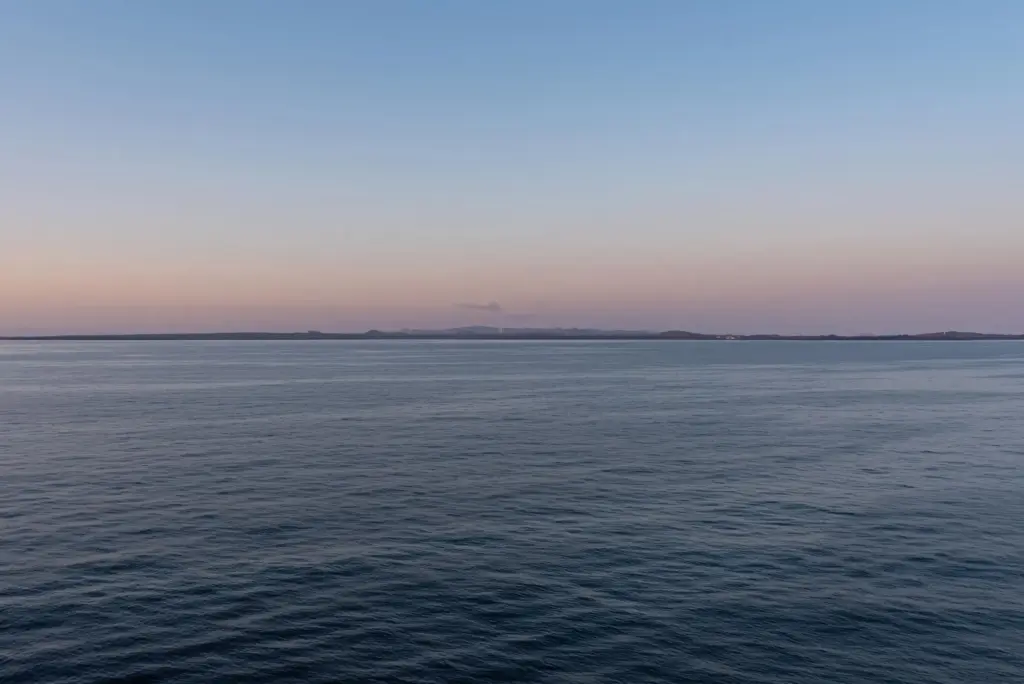
Long evenings promise extended blue hour and patient experiments with reflections. Midday glare can flatten textures, so angle for side‑light along boats and ropes, or retreat beneath awnings to cut contrast. Tourist bustle adds storytelling energy if you frame silhouettes against water. Seek earlier starts for quieter rolling space, hydrate regularly, and protect tyres from hot surfaces. Calm seas at high tide can turn simple rail‑side scenes into luminous, painterly studies.

Spring and Autumn Tides, Big Contrasts

Equinoctial springs exaggerate low‑to‑high differences, exposing seabed patterns and then restoring mirror‑smooth pools around moorings. Plan back‑to‑back visits hours apart on the same route to craft a diptych narrative. Shoulder seasons bring steadier temperatures and gentler crowds, perfect for unhurried composing. Maintain caution on newly exposed algae or glistening ramps, and consider waterproof sleeves for your wheels so post‑shoot cleaning stays simple, fast, and comfortably manageable.

Logistics: Parking, Facilities, and Warm Havens

Smooth journeys begin with predictable stops. Seek Blue Badge bays near quay entrances, confirm drop‑kerbs and level connections, and note accessible toilets with RADAR key access where available. Many harbours cluster cafes close to railings, ideal for warming hands, charging phones, and reviewing shots. Map benches, shelters, and wind‑breaks. Shorter, high‑impact routes conserve energy for creative patience, letting you linger when the tide turns and reflections gather into silver pages.

Share a Route Others Can Roll

Post a snapshot of surfaces, gradient notes, and your favorite vantage along the railing so others can replicate comfortable access. Mention tide level, wind direction, and crowd density during your visit. Such specifics turn inspiration into usable guidance, cutting guesswork for newcomers. Add one photo that shows the wheel viewpoint—foreground rail, mid‑water highlight, distant landmark—so anyone can anticipate the frame and arrive ready to compose, calmly and confidently.

Flag Hazards and Temporary Changes

If you encounter slippery algae, stacked gear narrowing a path, or construction affecting drop‑kerbs, log it with dates, photos, and suggested detours. Timely alerts help others conserve energy and avoid surprises. When conditions improve, update the note so the map remains trustworthy. This honesty builds community resilience and directs attention toward the most reliable, comfortable lines where the tide can be enjoyed without unnecessary strain or last‑minute rerouting.
Nilopentovexonexotemi
Privacy Overview

This website uses cookies so that we can provide you with the best user experience possible. Cookie information is stored in your browser and performs functions such as recognising you when you return to our website and helping our team to understand which sections of the website you find most interesting and useful.